
The Indira Gandhi Indoor Stadium, Delhi
- Client: The Delihi Development Authority
- Location: Delhi
- Expertise: Architecture
- Status: Completed
- Cost: -
- Year of Completion: 1982
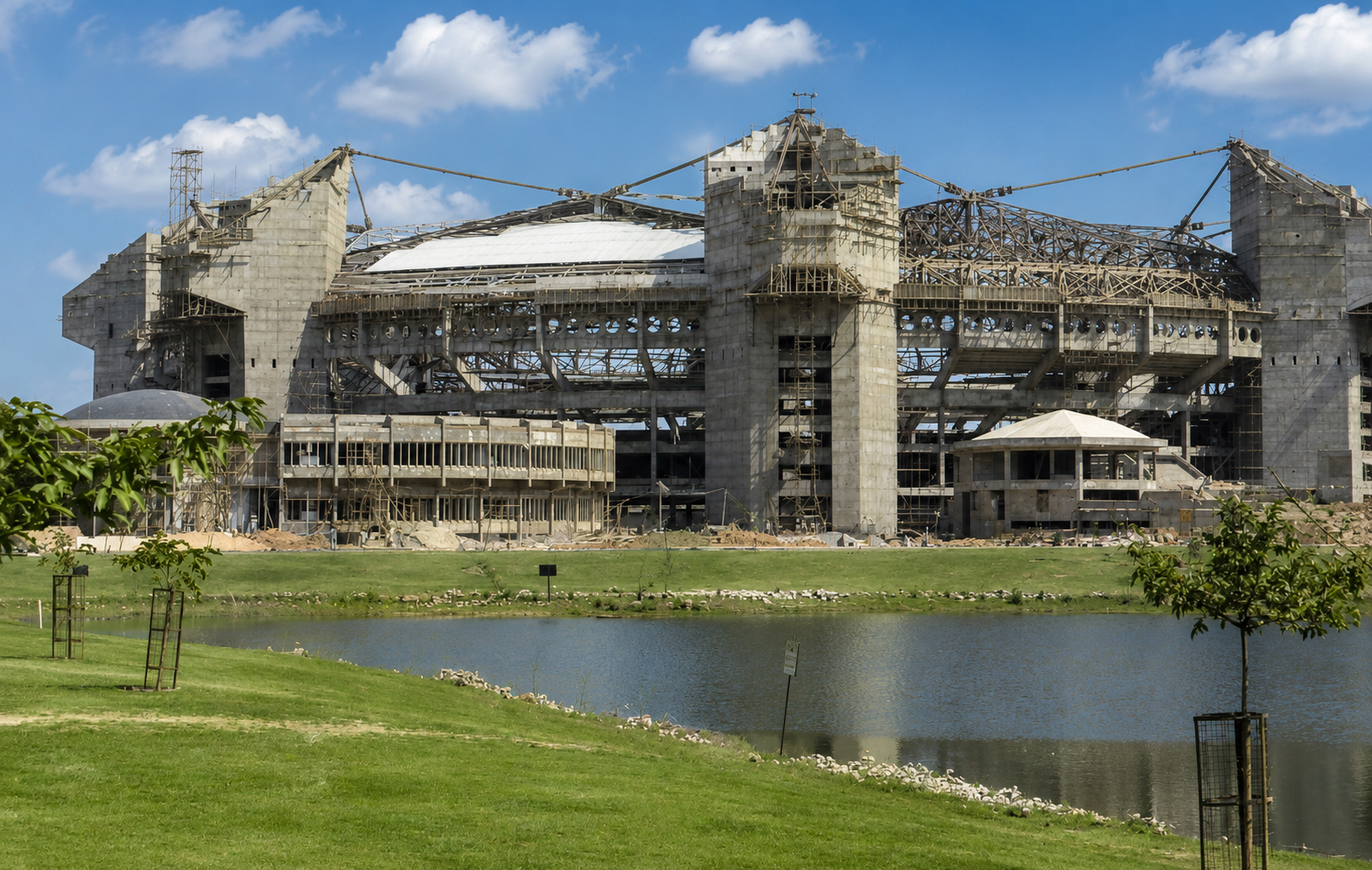
The Indira Gandhi Indoor Stadium in Delhi, inaugurated for the 1982 Asian Games, stands as a landmark in Indian sports architecture. Designed by Shashi Prabhu & Associates, it was conceived as a state-of-the-art multi-purpose indoor arena, setting new benchmarks for scale, engineering, and functionality in India at the time.
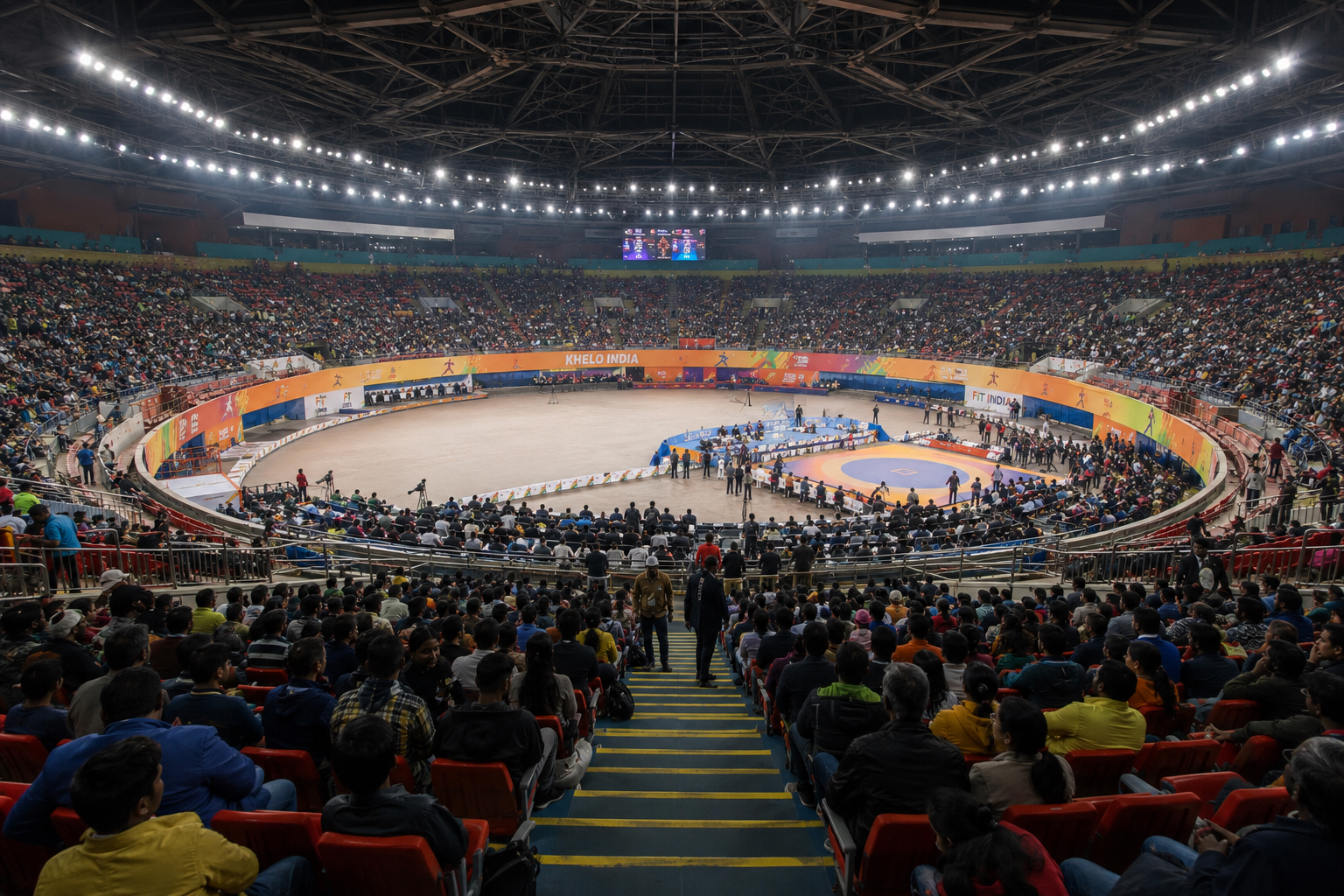
The stadium features a column-free, large-span roof structure, enabling unobstructed sightlines for over 14,000 spectators. The use of space-frame trusses and advanced engineering techniques allowed for a vast clear span, which was a pioneering approach in India in the early 1980s.
The circular plan enhances acoustics and visibility, making it ideal for sports, cultural events, and political gatherings. The design integrates multiple access points and circulation systems, ensuring efficient crowd movement and safety.
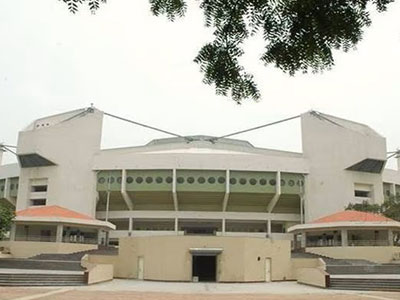
The exterior is marked by bold geometric forms with a modernist expression, reflecting the aspirations of a new, progressive India. The interior uses functional finishes and natural lighting to create a versatile and energy-efficient environment.
Beyond the Asian Games, the stadium has hosted many international championships, concerts, and national events, becoming one of India’s most iconic indoor arenas. Its flexible design has allowed it to remain relevant and functional for decades.
In essence, the Indira Gandhi Indoor Stadium remains a symbol of modern Indian sports infrastructure, showcasing Shashi Prabhu’s innovative approach to large-scale public architecture.

-
-